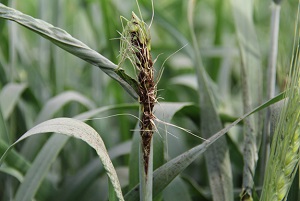
LIBRARY

(CPDD library database is under construction)


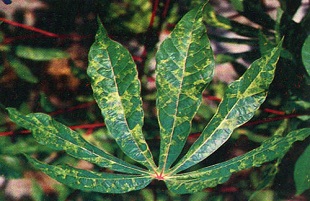
Cassava Mosaic.

Affects: Cassava Plant (Seedling to reproductive stages).

An infected leaf has white or pale-yellow or pale-green spots. It is often twisted, distorted, and stunted. The leaflets have uniformed or localized mosaic pattern. Heavily infested plant is distorted, retarded, and dwarfted. Whiteflies are the carrier of the disease and transmission is through their feeding habits.
source: FAO

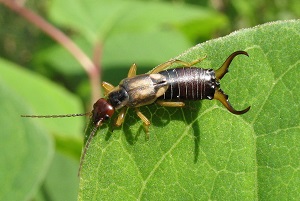
Earwigs.

Affects: Vegetable plant like potatoes, roses, and seedling beans and beets,

Earwigs are among the most readily recognized insect pests in home gardens. Although earwigs can devastate seedling vegetables or annual flowers and often seriously damage maturing soft fruit or corn silks. They also have a beneficial role in the landscape and have been shown to be important predators of aphids.

source wikipedia

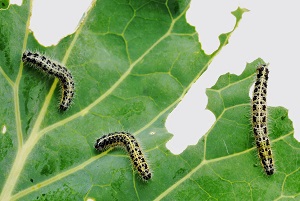
Caterpillars.

Affects: Almost all plants

Caterpillars are varied in name as some are called loopers or worms (i.e. cabbage loopers, hornworms and inchworms), some are actually soil pests such as cutworms, while other are called borers, but one fact remains that they are always moth or butterfly larvae and can be extremely destructive

source UC IPM

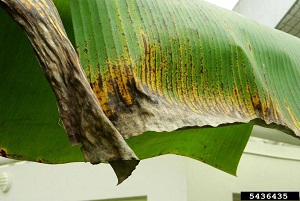
Sigatoka Disease (Leaf spot/streak).

Affects: Banana Plants

LBlack Sigatoka is a leaf-spot disease of banana plants caused by the ascomycete fungus Mycosphaerella fijiensis (Morelet). Also known as black leaf streak, it was discovered in 1963 and named for its similarities with yellow Sigatoka, which is caused by Mycosphaerella musicola (Mulder)

Soucre : wikipedia.com

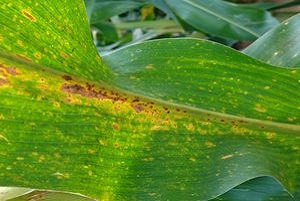
Maize rust

Affects: Maize Plants

This is a disease that frequents corn fields nearly every year. However, infections and associated corn grain yield loss are usually very minimal. Common rust has cinnamon-brown colored round to elongated pustules that frequently form in bands on the lower part of the leaf, which result from infection when the leaf was in the whorl. Common rust pustules form on both upper and lower sides of an individual leaf, distinguishing Common from Southern rust, which predominately sporulates on the upper leaf surface.

source wiki.com

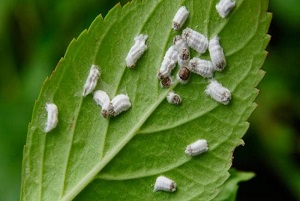
mealybugs.

Affects: Beans, cashew, cassava, coffee, cocoa, citrus, cotton, groundnut, guava, jute, sugarcane, sweet potato, tomato, apple, apricot.

Mealybugs are insects in the family of Pseudococcidae, unarmored scale insects found in moist, warm habitats. Many species are considered pests as they feed on plant juices of greenhouse plants, house plants and subtropical trees and also act as a vector for several plant diseases.

source: wikipedia.com

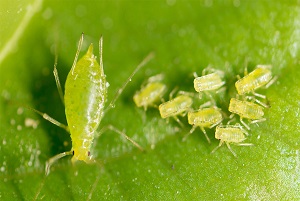
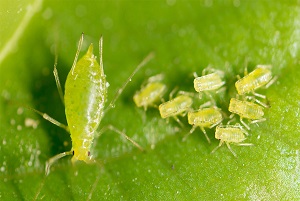
Aphids.

Affects: Squash, cucumber, pumpkin, melon, bean, potato, lettuce, beet, chard, and bok choy

Aphids are small sap-sucking insects and members of the superfamily Aphidoidea. Common names include greenfly and blackfly, although individuals within a species can vary widely in colour. The group includes the fluffy white woolly aphids

source: wikipedia.com

Smut.

Affects: Sugarcanes, rice, cereals

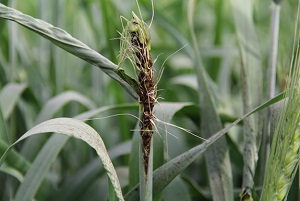
The earliest symptom of this fungal disease, which shows up in spring, is grassy shoots with small, narrow leaves. Eventually, the stalks develop black, whip-like structures and spores that spread to other plants

source: gardeningknohow

Virucides.

Treatment For: Virus Attacks like Cassava.

An agent (physical or chemical) that deactivates or destroys viruses. Examples include Bleach. Cyanovirin-N, EP 0978289 A1 with iodine, Griffithsin, Interferon, Lysol, NVC-422, Scytovirin, etc.

source: wikipedia

Insecticides.

Treatment For: Insect pests like Earwigs, bugs, etc

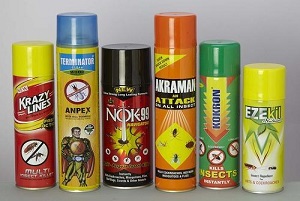
A substance used for killing insects,Examples of pesticides are fungicides, herbicides, and insecticides. Examples of specific synthetic chemical pesticides are glyphosate, Acephate, Deet, Propoxur, Metaldehyde, Boric Acid, Diazinon, Dursban, DDT, Malathion, etc.

source: byjus.com

Rodenticides.

Treatment for: Rodents like rats and mice

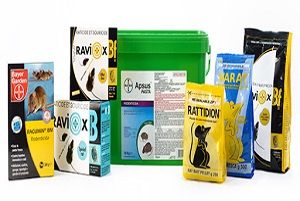
Rodenticides are pesticides that kill rodents. Rodents include not only rats and mice, but also squirrels, woodchucks, chipmunks, porcupines, nutria, and beavers. Although rodents play important roles in nature, they may sometimes require control. Examples: Dieson, Redcard, gumbooks, etc

source npic.orst.edu

Bactericides.

Treatment for: Bacterial infections like Rust, sigatoka, etc

A substance which kills bacteria. Bactericides are disinfectants, antiseptics, or antibiotics. Examples include:

Soucre : wikipedia.com

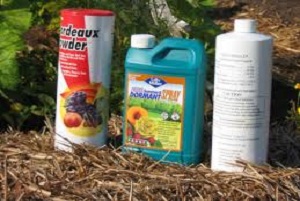
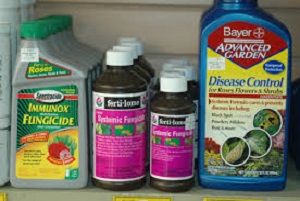
Fungicides

Treatment For: Funus attacks like

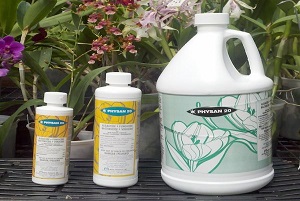
A chemical that destroys fungus.Fore example Sulfur, sulfur-containing compounds, organic salts of iron, and heavy metals are all used as fungicides. Other fungicide types include carbamates or thiocarbamates such as benomyl and ziram, thiozoles such as etridiazole, triazines such as anilazine, and substituted organics such as chlorothalonil.

source encyclopedia.com

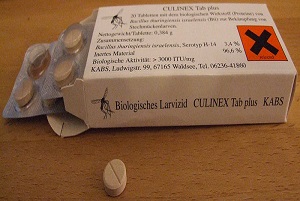
larvicides.

Treatment for: Insects in their larva stage.

A larvicide is an insecticide that is specifically targeted against the larval life stage of an insect. Their most common use is against mosquitoes. Larvicides may be contact poisons, stomach poisons, growth regulators, or (increasingly) biological control agents. Examples include: Larvicides include biological insecticides, such as the microbial larvicides Bacillus sphaericus and Bacillus thuringiensis israelensis. Larvicides include other pesticides, such as temephos, methoprene, oils, and monomolecular films.

source: wikipedia.com

Aphids.

Affects: Squash, cucumber, pumpkin, melon, bean, potato, lettuce, beet, chard, and bok choy

Aphids are small sap-sucking insects and members of the superfamily Aphidoidea. Common names include greenfly and blackfly, although individuals within a species can vary widely in colour. The group includes the fluffy white woolly aphids

source: wikipedia.com

Smut.

Affects: Sugarcanes, rice, cereals

The earliest symptom of this fungal disease, which shows up in spring, is grassy shoots with small, narrow leaves. Eventually, the stalks develop black, whip-like structures and spores that spread to other plants

source: gardeningknohow